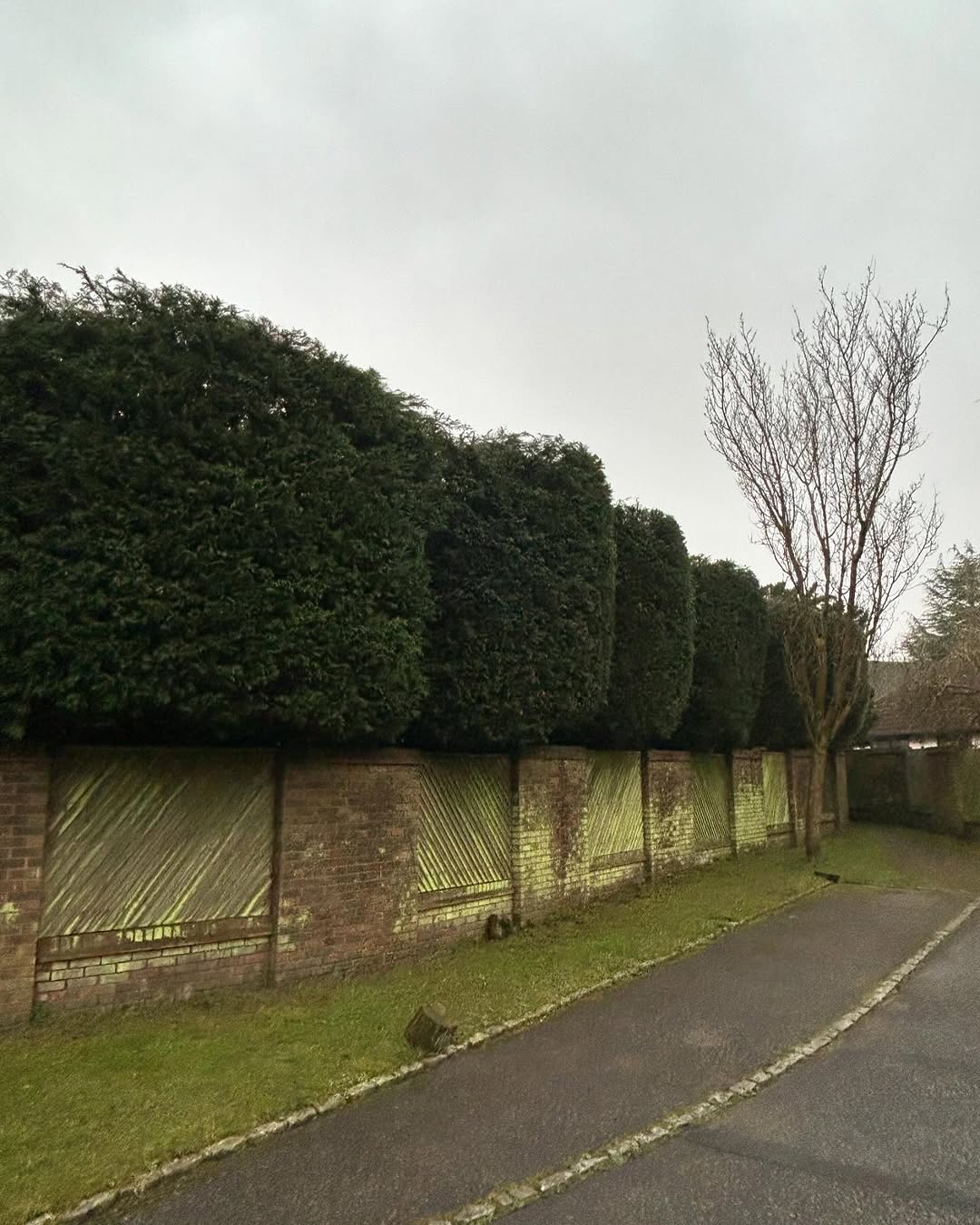
The Philosophy of Pruning
Pruning is more than just removal; it is structural training. For our teams in Midhurst, Petworth, and Chichester, every cut is made with a specific arboricultural goal: improving branch unions, managing the center of gravity, and promoting vascular health.
Avoiding the 'Lion-Tailing' Trap
Many amateur tree surgeons make the mistake of 'lion-tailing'—removing too much foliage from the interior of the canopy. This leaves long, thin branches with all the weight at the ends, making them highly prone to failure. We strictly adhere to BS3998 thinning percentages, ensuring the load is distributed evenly across the parent stem.
Wound Healing (Occlusion)
Trees do not 'heal' like animals; they compartmentalize. When we make a pruning cut, we do so just outside the branch bark ridge and collar. This allows the tree to form a 'donut' of callus wood that naturally seals the wound and prevents the ingress of decay-causing fungi.
Planning Your Pruning Cycle
Different species require different cycles. While Birch and Walnut are best pruned in late summer to prevent 'bleeding' (sap loss), Maples and Sycamores are better managed in winter. Our surveyors provide personalized management plans for estates of all sizes across the South East.
Require Expert Assistance in Surrey or Sussex?
If you suspect pathogen infection or require structural pruning managed under strict conservation guidelines, our local teams are instantly available for dispatch.